Comparing Pavers vs. Natural Stone vs. Concrete Slabs
By The Stone Store Team · Published Jul 26, 2026
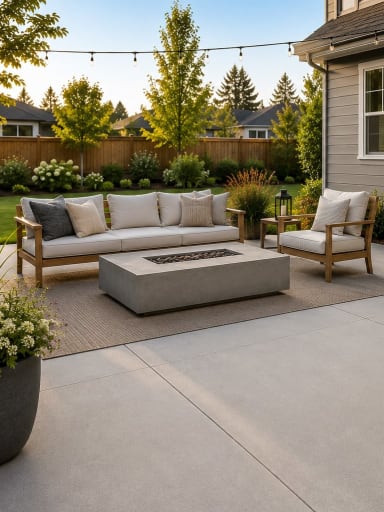
Transforming your outdoor living area from an outdated deck into a custom patio creates a seamless extension of your home.
When peak summer rolls around, nothing highlights the limits of an aging wood deck quite like high maintenance and blistering heat. If you've spent the past few weekends staining, replacing warped boards, or dodging splinters barefoot, it might be time for an upgrade.
Transforming your outdoor living area from an outdated deck into a custom patio creates a seamless extension of your home. However, choosing the right material is the critical first step. Below, we break down how interlocking concrete pavers, natural stone, and poured concrete slabs compare, so you can make the best choice for your summer sanctuary.
1. Concrete Pavers: Built for Endurance & Design Flexibility
Interlocking concrete pavers are the gold standard for homeowners seeking a balance of durability, aesthetics, and low maintenance. Unlike a traditional deck that requires constant sealing or repairs, pavers provide a flexible, highly durable system engineered to withstand heavy foot traffic and changing seasons.
Key Product Features & Benefits:
🌟 Rich, Fade-Resistant Colors: Leading manufacturers design pavers with advanced technology, such as Nicolock's patented paver-shield™, ensuring an ultra-dense surface layer with deep, vibrant colors that won't fade under intense summer sun exposure.
🌟 Superior Stain & Wear Resistance: Modern pavers, including options from brands like Unilock and Belgard, are engineered to resist spills, oil, and weathering, keeping your patio looking pristine during summer BBQs and pool parties.
🌟 Flexibility Without Cracking: Unlike poured concrete, interlocking pavers shift slightly with ground movement and freeze-thaw cycles. Paired with high-performance jointing materials, like Alliance Gator Polymeric Sand, the joints interlock tightly to prevent weed growth and washout while allowing drainage.
🌟 Custom Layouts: Available in an endless palette of shapes, textures, and sizes, pavers let you create distinct borders, inlay patterns, or separate dining and lounging zones. See our Stone Pattern Guides for more details about custom layouts.
Nicolock Concrete Pavers
2. Natural Stone: Timeless Elegance & Organic Character
MSI Tumbled Travertine Pavers
Natural stone pavers are cut pieces of real stone, like bluestone, limestone, sandstone, slate, or travertine and shaped for use in patios, walkways, and outdoor living areas. They offer a timeless, upscale look with natural color variation, strong durability, and excellent long-term performance.
Key Product Features & Benefits:
🌟 One-of-a-Kind Aesthetics: Every piece of natural stone carries distinct veining, subtle color shifts, and organic textures crafted by nature.
🌟 Naturally Cool Underfoot: Certain natural stones and specialized stone products stay noticeably cooler in direct summer heat compared to other materials, making them a comfortable choice for barefoot pool decks and sunny patios.
🌟 Lifelong Longevity: Quality natural stone resists scratching and severe weathering exceptionally well, giving your patio a timeless finish that only improves with age.
Natural stone often requires experienced installation due to slight variations in thickness, but the result is a truly bespoke outdoor environment.
3. Poured Concrete Slabs: Budget-Friendly, but Prone to Wear
Poured concrete slabs (either plain or stamped) are a common alternative to elevated decks due to their lower upfront material cost. However, for long-term outdoor living, they come with notable trade-offs.
Key Product Features & Benefits:
🌟 Lower Initial Investment: Poured concrete is often quicker to pour initially for plain, square footprints.
🌟 Susceptible to Cracking: Poured concrete forms one rigid slab. As the ground settles or temperature fluctuates, cracking is almost inevitable and repairing a cracked slab without leaving noticeable patches is notoriously difficult.
🌟 Slippery & Hot in Summer: Sealed or stamped concrete can become slick when wet near pools or outdoor water features and tends to absorb heat quickly on bright summer days.
A major issue homeowners need to be aware of is how the patio will behave over time when the ground moves—because every yard settles, shifts, and expands with freeze-thaw cycles.
Budget Friendly Poured Concrete Patio
The Verdict: Why Pavers Win the Summer Upgrade
While natural stone offers unmatched luxury and poured concrete provides a quick base, interlocking pavers offer the ideal combination of long-term value, customization, and effortless outdoor living. They resolve the constant maintenance demands of a wood deck while eliminating the cracking risks of concrete slabs.
Whether you're looking to build an outdoor kitchen, add a fire pit, or simply design an open-air retreat for warm summer evenings, starting with the right materials ensures your patio will last for decades.
"And this is the way to have eternal life - to know you, the only true God, and Jesus Christ, the one you sent to earth. " [John 17:3 ](https://www.bible.com/bible/116/JHN.17.3.NLT)